What to Feed Your Backyard Chickens by Life Stage: A Guide for Butler, PA, Flock Owners
Knowing what to feed your backyard chickens at every life stage is one of the most important things you can do as a flock owner. For families raising chickens in Butler, PA, the right nutrition can mean the difference between a thriving flock and a struggling one. A trusted local animal feed store carries the specific feeds and supplements your birds need from hatch to senior hen. Call Mister Feed Inc. at (724) 352-3200 to ask about what your flock needs right now.
Chick Starter: Getting the First Weeks Right
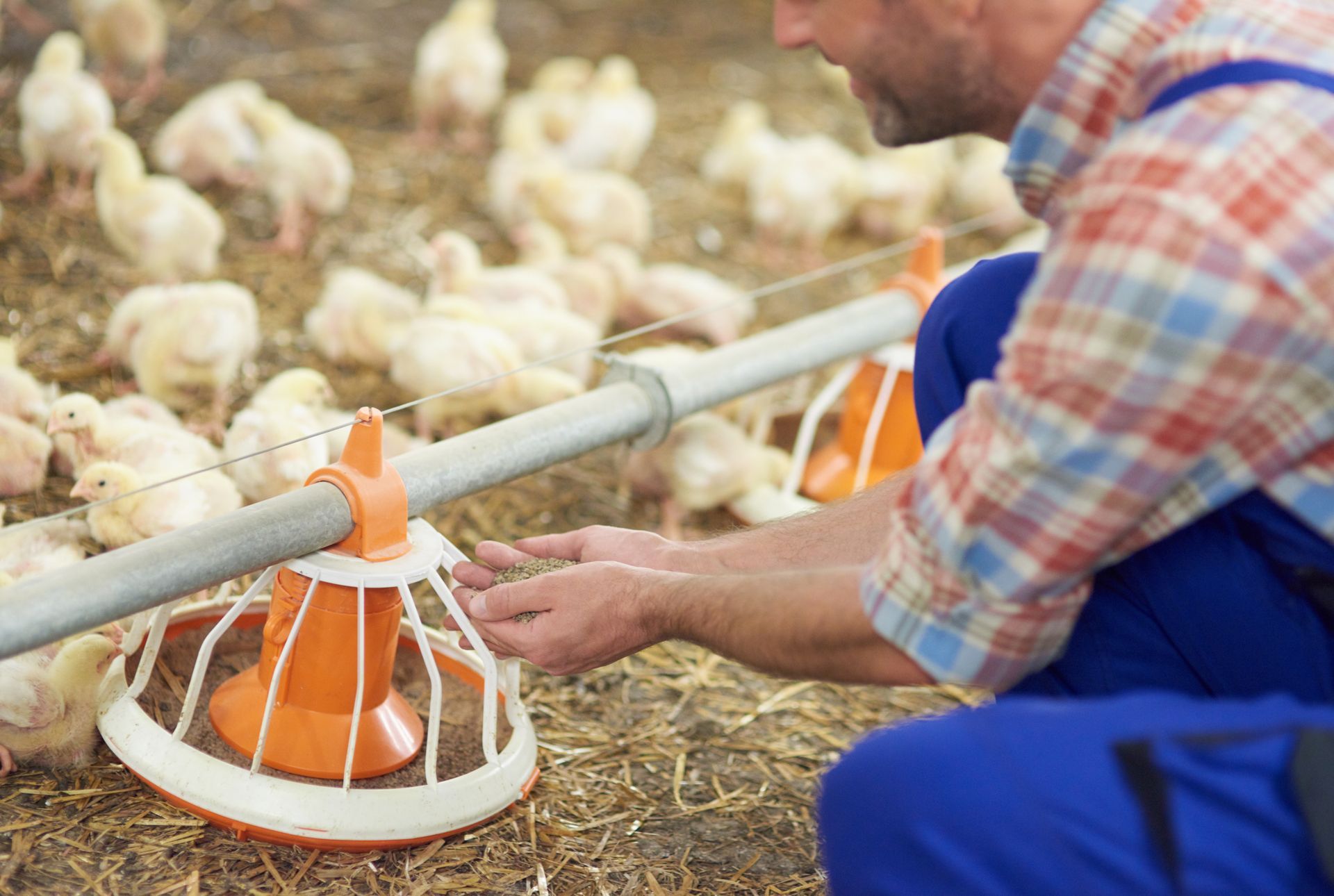
The first eight weeks of a chick's life set the foundation for everything that follows. Baby chicks need a high-protein starter feed with at least 18% protein, along with amino acids, vitamins, and minerals to support bone and feather development. Many flock owners choose medicated starter feed, which contains amprolium to help prevent coccidiosis. If your chicks were vaccinated at the hatchery, an unmedicated starter may be the better option. Ask your local animal feed store which format fits your birds best.
Grower Feed: The Awkward Teen Stage (Weeks 8 to 18)
From about 8 to 18 weeks, pullets need grower feed rather than starter. Grower feed typically runs around 15 to 18% protein, which helps prevent overly fast growth spurts that can cause leg or joint problems. Avoid calcium-heavy feeds like layer pellets during this stage. Too much calcium before a hen begins laying can stress her kidneys. Stick with grower until your pullets are ready to make the switch.
Layer Feed: Supporting Your Egg-Laying Hens
Once a hen lays her first egg, switch to a complete layer feed. Layer feeds are formulated with around 16 to 18% protein and elevated calcium levels of roughly 3 to 4% to support strong eggshells and protect bone health over time. Offering free-choice oyster shell in a separate dish lets hens self-regulate calcium intake..
Cost and Value at Independent vs. Chain Stores
Once a hen lays her first egg, switch to a complete layer feed. Layer feeds are formulated with around 16 to 18% protein and elevated calcium levels of roughly 3 to 4% to support strong eggshells and protect bone health over time. Offering free-choice oyster shell in a separate dish lets hens self-regulate calcium intake.
Molt Support: Fall Feeding in Butler County
Shorter days in September and October typically trigger the annual molt, when hens shed old feathers to grow new ones. Egg production often slows or stops, and nutritional focus shifts to feather regrowth. Since feathers are roughly 80 to 85% protein, feed choice during molt matters. Switch to a higher-protein feed in the 20% range while hens are actively molting, then transition back to layer feed once feathers fill in and laying resumes.
Grit is not optional for chickens eating anything beyond a complete commercial feed. Chickens have no teeth, so they rely on grit in their gizzard to grind food. Chick-sized grit works for young birds; standard poultry grit suits adult hens year-round. Useful supplements include probiotics for digestive health, dried mealworms as a protein-rich treat, and kelp or herbal blends for immune support. Keep treats and scratch to no more than 10% of total diet so they do not crowd out core nutrition.
Winter Feeding Adjustments for PA Flocks
Butler County winters are cold, with temperatures regularly below freezing from December through February. Chickens use more energy staying warm, and feed intake rises. A small amount of cracked corn in the evening can help birds generate metabolic heat overnight. Always provide access to fresh, unfrozen water, since dehydration slows egg production and strains kidney function. A heated waterer is worth having before the first hard freeze. Keeping extra feed on hand through winter means you will not run short during a storm that makes a store run difficult.
What Does a Local Animal Feed Store Typically Sell?
A local animal feed store commonly stocks chick starter, grower, layer pellets, molt support options, grit, oyster shell, supplements, scratch grains, mealworms, bedding, and feeders. Many stores serve livestock, backyard flocks, and pets under one roof.
Do Feed Stores Carry Both Livestock and Pet Food in the Same Location?
Many do. A well-stocked local animal feed store can serve flock owners, horse and cattle owners, and pet owners simultaneously, making it a practical choice for rural and suburban households with more than one type of animal to care for.
Find the Right Feed for Every Stage of Your Flock's Life
Feeding your chickens well requires the right products at the right time. From starter crumble on day one to molt support in fall and winter adjustments in January, each stage has specific needs. Mister Feed Inc. has served flock owners across the Butler, PA, area since 2001, carrying feeds, supplements, and bedding for animals of every kind.
Browse the poultry and barnyard animal feed options or contact the team with questions about what your flock needs right now. Call (724) 352-3200 or search for Mister Feed Inc. on Google Maps to find your way to the right feed for every bird in your care.
Recent Posts